4 Gaming Trends That Are Changing the Future of Video Games
Article Outline
- H1: 4 Gaming Trends That Are Changing the Future of Video Games
- H2: The Rise of Modern Gaming Culture
- H3: Why Gaming Is Bigger Than Ever
- H3: The Global Gaming Industry in 2026
- H2: Cloud Gaming Is Taking Over
- H3: What Is Cloud Gaming
- H3: Benefits of Playing Games on the Cloud
- H4: Faster Access Without Expensive Hardware
- H2: Mobile Gaming Dominates the Market
- H3: Why Smartphones Became Gaming Machines
- H3: Best Mobile Gaming Genres Today
- H2: Esports Is Creating New Careers
- H3: Professional Gaming Opportunities
- H3: Streaming and Content Creation
- H4: How Gamers Earn Money Online
- H2: Virtual Reality and AI in Gaming
- H3: The Role of Artificial Intelligence
- H3: VR Gaming Experience
- H4: Future Innovations in Gaming Technology
- H2: Gaming Communities and Social Interaction
- H3: Online Multiplayer Revolution
- H3: Gaming as a Social Platform
- H2: The Future of Gaming Industry
- H3: Upcoming Technologies
- H3: Predictions for the Next 10 Years
- H2: Conclusion
- H2: FAQs
- H2: The Rise of Modern Gaming Culture
4 Gaming Trends That Are Changing the Future of Video Games
Gaming is no longer just a hobby for teenagers sitting in dark rooms with controllers in their hands. It has transformed into a global entertainment powerhouse that influences technology, social interaction, education, and even business. From mobile games played during lunch breaks to massive esports tournaments watched by millions, gaming has become a part of daily life for people across the world. The gaming industry is evolving at lightning speed, and every year new innovations reshape how players experience virtual worlds. Whether you are a casual gamer or a hardcore competitive player, understanding the latest gaming trends can help you stay ahead in this rapidly changing industry.
The modern gaming landscape feels like a giant digital playground where creativity and technology collide. Powerful graphics, online multiplayer systems, artificial intelligence, and virtual reality have completely changed the way games are built and enjoyed. Gaming companies are investing billions into new technologies because player demand continues to rise every year. Reports from recent industry research show that the gaming market is expected to surpass hundreds of billions of dollars globally by 2026. That growth is fueled by mobile gaming, cloud technology, and the explosion of online communities that connect gamers from every corner of the planet.
The Rise of Modern Gaming Culture
Why Gaming Is Bigger Than Ever
Gaming has become one of the largest forms of entertainment in the world because it offers something unique that movies and television cannot provide: interaction. Instead of watching a story unfold, gamers become part of the action. Players can control characters, make decisions, and explore digital worlds at their own pace. That level of engagement creates a deeper emotional connection between gamers and their favorite titles. It is one reason why millions of players spend hours building cities, racing cars, surviving battles, or competing against friends online.
Another major reason gaming is growing rapidly is accessibility. Years ago, gamers needed expensive consoles or high-end computers to enjoy quality games. Today, almost anyone with a smartphone can access thousands of free or affordable games instantly. Mobile gaming has opened the doors for millions of new players, including people who never considered themselves gamers before. Casual puzzle games, racing games, battle royale shooters, and simulation games are now available in the palm of your hand.
Social media and streaming platforms have also pushed gaming culture into the mainstream spotlight. Platforms like Twitch and YouTube Gaming turned professional gamers into celebrities with millions of followers. Watching gameplay videos has become entertainment on its own. Gamers now learn strategies, discover new titles, and connect with communities through livestreams and gaming content creators. Gaming is no longer isolated entertainment; it is a global social experience.
The Global Gaming Industry in 2026
The gaming industry in 2026 looks stronger than ever. Massive game publishers continue releasing blockbuster titles that generate billions in revenue, while indie developers create innovative experiences that attract loyal fan bases. Competitive gaming events now fill stadiums and attract sponsorship deals from major brands. Some esports tournaments even offer prize pools worth millions of dollars, proving how serious the industry has become.
The rise of subscription services has also changed how players access games. Instead of purchasing individual titles, many gamers now pay monthly fees for unlimited libraries of games. This model works similarly to movie streaming services and gives players more flexibility. It allows gamers to explore different genres without spending huge amounts of money on every new release.
Gaming technology is also evolving quickly. Modern graphics engines create incredibly realistic environments with cinematic details. Artificial intelligence helps create smarter enemies and more dynamic gameplay systems. Faster internet connections allow seamless multiplayer experiences, making online gaming smoother than ever before. The future of gaming feels limitless, and new innovations continue appearing every year like waves crashing onto a digital shore.
Cloud Gaming Is Taking Over
What Is Cloud Gaming
Cloud gaming is one of the most exciting developments in the gaming industry today. Instead of downloading games onto a console or computer, players stream games directly from powerful remote servers. Think of it like watching a movie online, except you are actively controlling the experience. This technology eliminates the need for expensive gaming hardware because the heavy processing happens in the cloud.
Major technology companies are investing heavily in cloud gaming services because they believe streaming is the future of entertainment. Players can instantly access games across multiple devices, including smartphones, tablets, laptops, and smart TVs. This flexibility changes everything because gamers are no longer tied to a single device or location. You could start a game on your PC and continue playing it later on your phone without losing progress.
Cloud gaming also removes the frustration of long downloads and updates. Many modern games require enormous storage space and frequent updates that can take hours to install. With cloud gaming, everything is handled remotely. Players simply click and play. This convenience makes gaming more accessible for people with limited storage or lower-end devices.
Benefits of Playing Games on the Cloud
The biggest advantage of cloud gaming is affordability. Gamers no longer need to spend thousands of dollars upgrading graphics cards or purchasing expensive consoles. As long as users have a stable internet connection, they can enjoy high-quality gaming experiences on ordinary devices. This could dramatically expand the global gaming audience over the next decade.
Another benefit is cross-platform accessibility. Traditional gaming systems often separate players into different ecosystems. Cloud gaming helps bridge those gaps by allowing people to play from multiple devices. This creates larger gaming communities and improves multiplayer experiences because more players can connect together.
Cloud gaming also helps developers update games faster. Instead of waiting for users to download patches, developers can instantly update servers in real time. This improves security, reduces bugs, and creates smoother gameplay experiences. As internet infrastructure improves worldwide, cloud gaming may eventually become the standard way people access video games.
Faster Access Without Expensive Hardware
Gaming hardware can be extremely expensive, especially for players who want ultra-high graphics and smooth frame rates. Building a powerful gaming PC often costs more than an average household appliance. Cloud gaming changes that equation completely by shifting processing power to remote servers.
This means even budget smartphones and low-cost laptops can run graphically demanding games. It levels the playing field for players who cannot afford premium gaming setups. For many young gamers, cloud technology could become the gateway to experiences previously locked behind expensive hardware requirements.
Gaming companies benefit as well because cloud gaming reduces piracy risks and allows tighter control over digital content. It also enables instant access to massive libraries of games, making the overall experience feel more modern and user-friendly.
Mobile Gaming Dominates the Market
Why Smartphones Became Gaming Machines
Smartphones transformed gaming forever by placing entertainment into everyone’s pockets. Modern mobile devices are incredibly powerful compared to phones from just a few years ago. High refresh-rate displays, fast processors, and improved graphics chips allow mobile games to look and perform better than ever.
Mobile gaming became successful because of convenience. Players can enjoy games anywhere, whether they are commuting, waiting in line, or relaxing at home. This portability makes mobile gaming one of the most accessible entertainment forms in the world. Unlike traditional consoles, smartphones are already part of people’s daily lives.
Free-to-play business models also contributed to mobile gaming’s dominance. Many popular mobile games are free to download and earn revenue through in-game purchases. This lowers the entry barrier and attracts millions of users who might hesitate to spend money upfront on games.
Best Mobile Gaming Genres Today
Mobile gaming now includes nearly every genre imaginable. Racing games deliver fast-paced thrills with realistic graphics and competitive multiplayer systems. Battle royale games attract millions of players who enjoy survival challenges and team-based gameplay. Simulation games allow players to build cities, manage farms, or run businesses from their phones.
Puzzle games remain extremely popular because they are simple, addictive, and easy to play during short breaks. Strategy games also continue growing thanks to improved touchscreen controls and online competition. Mobile esports competitions are even becoming common, with professional players competing for large prizes.
Game developers are focusing heavily on optimizing experiences specifically for mobile users. Touchscreen controls, shorter gameplay sessions, and social features are designed to fit modern lifestyles. Mobile gaming is no longer considered secondary entertainment. For many players around the world, it is their primary gaming platform.
Esports Is Creating New Careers
Download
Professional Gaming Opportunities
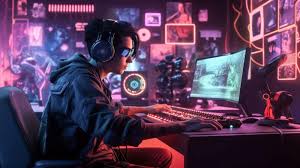
Esports transformed gaming from a casual hobby into a professional career path. Competitive players now train like traditional athletes, spending hours practicing strategies, teamwork, and reflexes. Major esports organizations recruit talented players and provide coaching, salaries, and sponsorship opportunities.
Games like competitive shooters, multiplayer online battle arenas, and sports simulations dominate the esports scene. Large tournaments attract global audiences both online and in physical arenas. Professional gamers can earn substantial income through tournament winnings, sponsorships, streaming revenue, and merchandise sales.
Universities and schools are also embracing esports programs. Some institutions now offer scholarships for talented gamers, recognizing esports as a legitimate competitive activity. This acceptance shows how gaming culture has evolved from niche entertainment into a respected industry.
Streaming and Content Creation
Not every gamer becomes a tournament champion, but many still build successful careers through content creation. Platforms like YouTube and Twitch allow gamers to share gameplay, tutorials, reviews, and livestreams with audiences worldwide. Successful creators earn money through ads, sponsorships, subscriptions, and donations.
Gaming content creators act like digital entertainers who build strong communities around their personalities and gameplay styles. Some focus on comedy, while others specialize in competitive tips or walkthroughs. This diversity creates opportunities for different types of creators to succeed.
Streaming also changed how players discover games. Instead of relying only on advertisements, gamers now watch influencers play titles before purchasing them. This creates a more interactive relationship between audiences and gaming brands.
How Gamers Earn Money Online
Modern gamers have more monetization opportunities than ever before. They can earn through esports tournaments, streaming, affiliate marketing, sponsorships, coaching services, and digital merchandise. Some gamers even create custom mods or game assets and sell them online.
The gaming economy resembles a giant digital marketplace filled with opportunities for creative individuals. Success requires consistency, skill, and community engagement, but the possibilities continue expanding every year.
Virtual Reality and AI in Gaming
The Role of Artificial Intelligence
Artificial intelligence is revolutionizing game development by making virtual worlds feel more alive and responsive. AI systems control enemy behavior, adapt difficulty levels, and create dynamic storylines based on player actions. Instead of repetitive scripted patterns, modern games can now deliver more unpredictable and realistic experiences.
Developers also use AI to improve graphics, generate environments, and enhance animation systems. This technology helps reduce development time while increasing overall quality. AI-driven characters can react more naturally, making gameplay feel immersive and believable.
Machine learning is expected to push gaming innovation even further in the coming years. Future games may personalize experiences based on individual player habits and preferences, creating truly unique adventures for every gamer.
VR Gaming Experience
Virtual reality gaming places players directly inside digital worlds. Wearing a VR headset feels like stepping through a portal into another reality where players can physically look around and interact with environments. This immersion creates powerful emotional experiences that traditional screens cannot fully replicate.
VR games continue improving with better motion tracking, sharper displays, and more comfortable hardware. Action games, horror titles, and simulation experiences benefit greatly from virtual reality because they create stronger sensations of presence and excitement.
The biggest challenge for VR gaming remains affordability and accessibility. High-quality VR equipment can still be expensive, but prices are gradually decreasing. As technology advances, virtual reality may eventually become a standard part of gaming culture.
Future Innovations in Gaming Technology
The future of gaming could include advanced haptic feedback systems, brain-computer interfaces, and fully immersive augmented reality experiences. Imagine feeling in-game impacts through wearable devices or interacting with holographic environments in your living room.
Gaming companies are constantly experimenting with new technologies because players always seek fresh experiences. Innovation drives the gaming industry forward like fuel powering a racing car. The next decade may bring developments that completely redefine entertainment itself.
Gaming Communities and Social Interaction
Online Multiplayer Revolution
Online multiplayer gaming changed how people interact socially. Gamers can now connect with friends or strangers across the globe instantly. Cooperative missions, competitive matches, and virtual worlds create shared experiences that strengthen friendships and communities.
Many online games function like social networks where players communicate through voice chat, messaging systems, and community forums. Some gamers spend more time socializing in virtual spaces than on traditional social media platforms.
Multiplayer gaming also encourages teamwork, communication, and strategic thinking. Competitive matches require coordination and collaboration, teaching valuable skills that extend beyond gaming itself.
Gaming as a Social Platform
Gaming platforms increasingly resemble digital hangout spaces where people gather not only to play but also to chat, attend events, and share experiences. Virtual concerts, live events, and community activities blur the line between gaming and social networking.
During recent years, many players turned to games for social interaction during periods of isolation. Virtual worlds became places where friends could stay connected despite physical distance. This emotional and social value makes gaming more important than ever before.
The Future of Gaming Industry
Upcoming Technologies
Emerging technologies will continue shaping gaming in exciting ways. Faster internet speeds, better artificial intelligence, improved graphics engines, and advanced cloud systems will create richer experiences for players worldwide.
Blockchain gaming and digital ownership systems are also gaining attention. Some developers explore ways for players to truly own digital items and trade them securely. While this area remains controversial, it highlights how innovation continues pushing boundaries.
Predictions for the Next 10 Years
The next decade could bring gaming experiences that feel almost indistinguishable from reality. AI-generated worlds, immersive VR environments, and seamless cross-platform systems may become normal parts of everyday entertainment.
Gaming will likely continue expanding into education, fitness, healthcare, and professional training. Interactive simulations already help train pilots, doctors, and engineers. The line between gaming and real-world applications is becoming thinner every year.
Conclusion
Gaming has evolved into one of the most influential industries in the modern world. Cloud gaming, mobile gaming, esports, artificial intelligence, and virtual reality are reshaping how players experience entertainment. These innovations are not temporary trends; they represent the future direction of the entire gaming ecosystem.
The gaming industry continues growing because it adapts quickly to technology and audience demands. Whether someone plays casually on a smartphone or competes professionally in esports tournaments, gaming offers opportunities for creativity, connection, and excitement. The future of gaming looks brighter than ever, and the next generation of innovations may completely redefine digital entertainment.
FAQs
1. What is the biggest gaming trend in 2026?
Cloud gaming is considered one of the biggest trends because it allows players to stream games without expensive hardware.
2. Why is mobile gaming so popular?
Mobile gaming is popular because smartphones are accessible, portable, and capable of running high-quality games anywhere.
3. Can gaming become a real career?
Yes, gamers can earn money through esports, streaming, content creation, sponsorships, and coaching.
4. Is virtual reality gaming the future?
Virtual reality has huge potential due to its immersive experiences, though affordability still affects widespread adoption.
5. How does AI improve video games?
AI improves gaming by creating smarter enemies, dynamic gameplay systems, and personalized player experiences.