2 Player Gaming: The Ultimate Guide to Multiplayer Fun and Competitive Entertainment
Article Outline
- H1: 2 Player Gaming: The Ultimate Guide to Multiplayer Fun and Competitive Entertainment
- H2: Introduction to 2 Player Gaming
- H3: Why Multiplayer Games Are So Popular
- H3: The Evolution of Two-Player Games
- H2: Types of 2 Player Games
- H3: Online Multiplayer Games
- H3: Offline Split-Screen Games
- H4: Co-Op vs Competitive Gameplay
- H2: Best Genres for 2 Player Gaming
- H3: Racing Games
- H3: Fighting Games
- H3: Adventure and Survival Games
- H2: Benefits of Playing 2 Player Games
- H3: Improving Communication Skills
- H3: Building Teamwork and Strategy
- H4: Stress Relief Through Gaming
- H2: Popular Platforms for Multiplayer Gaming
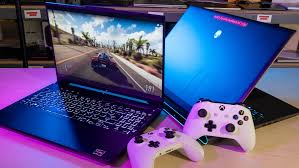
- H3: PC Gaming
- H3: Console Gaming
- H3: Mobile Multiplayer Gaming
- H2: How Online Multiplayer Changed Gaming
- H3: Global Gaming Communities
- H3: Voice Chat and Social Features
- H2: The Future of 2 Player Gaming
- H3: Virtual Reality Multiplayer
- H3: AI and Cloud Gaming
- H2: Conclusion
- H2: FAQs
- H2: Introduction to 2 Player Gaming
2 Player Gaming: The Ultimate Guide to Multiplayer Fun and Competitive Entertainment
Gaming has become one of the most exciting forms of entertainment in the modern world, and 2 player gaming sits at the heart of this digital revolution. There is something special about competing or cooperating with another player in real time. Whether you are racing side by side in a high-speed car game, battling in an intense fighting arena, or surviving together in an open-world adventure, multiplayer gaming creates unforgettable moments. Unlike single-player experiences, two-player games add emotion, unpredictability, and social interaction that make gameplay far more engaging. It feels like the difference between practicing alone and playing in a championship match with the crowd cheering around you.
The popularity of two-player games has exploded because gamers love shared experiences. Friends, siblings, couples, and even strangers connect through online and offline multiplayer games every single day. Modern technology has made it easier than ever to play with someone from another city or even another country instantly. Online servers, voice chat systems, and cloud gaming platforms transformed multiplayer gaming into a massive global culture. Today, millions of players spend hours competing, cooperating, and building friendships through games. The gaming industry recognized this demand and now designs many titles specifically around multiplayer interaction.
Introduction to 2 Player Gaming
Why Multiplayer Games Are So Popular
The biggest reason multiplayer gaming is so popular is simple: humans enjoy social interaction. Playing against another real person creates excitement that artificial intelligence often cannot match. A computer follows predictable patterns, but another player can surprise you with creative strategies, unexpected decisions, and emotional reactions. This unpredictability keeps games fresh and exciting every time you play. It is similar to playing chess against a friend instead of a machine because every move carries personality and emotion.
Two-player gaming also creates stronger emotional connections. Winning a difficult match together or defeating a powerful enemy as a team creates memories that last for years. Gamers often remember funny moments, close victories, and intense rivalries more vividly than anything from single-player games. Multiplayer games become social experiences where players laugh, compete, and communicate constantly.
Modern online systems pushed multiplayer gaming to another level. Players can now connect instantly through gaming networks and matchmaking systems. Instead of waiting for friends to visit physically, gamers simply log in and start playing together online. This convenience made multiplayer gaming a daily activity for millions of people worldwide.
The Evolution of Two-Player Games
Two-player gaming has evolved dramatically over the years. Early multiplayer games were simple arcade experiences where players shared the same screen. Classic fighting games, sports games, and racing titles dominated local multiplayer gaming during the early console era. Friends would gather around televisions, holding wired controllers while competing for bragging rights.
As internet technology improved, online multiplayer completely changed the gaming landscape. Players were no longer limited by physical distance. Suddenly, someone in one country could battle another player across the world within seconds. This innovation expanded gaming communities and introduced competitive ranking systems that increased player engagement.
Today’s multiplayer games are more advanced than ever. Modern titles feature realistic graphics, massive online worlds, advanced communication systems, and cross-platform gameplay. Gamers can now play together using different devices such as PCs, consoles, and smartphones. The multiplayer gaming experience continues evolving rapidly as technology improves every year.
Types of 2 Player Games
Online Multiplayer Games
Online multiplayer games dominate the gaming industry today because they allow players to connect anytime and anywhere. Whether you enjoy action games, racing simulators, battle royale shooters, or sports competitions, online gaming provides endless opportunities for competition and teamwork. Many modern games are built entirely around online interaction because developers understand how much players value social gaming experiences.
Competitive online games create thrilling moments because real players constantly adapt and improve. Every match feels unique because human opponents think creatively and unpredictably. Ranked matchmaking systems also add excitement by allowing players to climb leaderboards and improve their skills over time. This competitive structure keeps players engaged for months or even years.
Online multiplayer games also encourage communication and teamwork. Many co-op games require players to coordinate strategies, share resources, and support each other to succeed. Voice chat and messaging systems make collaboration easier and create stronger social bonds between players.
Offline Split-Screen Games
Offline split-screen games still hold a special place in gaming culture despite the rise of online gaming. There is something nostalgic and exciting about sitting next to another player while competing on the same screen. Local multiplayer gaming creates an atmosphere filled with laughter, reactions, and instant communication that online play sometimes cannot fully replicate.
Split-screen games are especially popular during parties, family gatherings, and casual hangouts. Racing games, sports titles, and fighting games work perfectly in local multiplayer settings because they create fast-paced entertainment for everyone involved. These games often turn ordinary evenings into memorable gaming sessions filled with friendly rivalries.
Offline multiplayer gaming also eliminates internet-related issues such as lag and server problems. Players can enjoy smooth gameplay without worrying about connection stability. This reliability makes local multiplayer ideal for quick and stress-free entertainment.
Co-Op vs Competitive Gameplay
Two-player games generally fall into two categories: cooperative gameplay and competitive gameplay. Co-op games focus on teamwork, where players work together toward shared objectives. Survival games, adventure titles, and puzzle-solving games often use cooperative mechanics to encourage communication and collaboration.
Competitive games, on the other hand, place players against each other in battles of skill and strategy. Fighting games, racing games, and sports simulations thrive on competition because players enjoy testing their abilities against real opponents. Competitive gaming creates adrenaline-filled moments that keep players returning for rematches.
Both styles offer unique experiences. Cooperative games strengthen teamwork and friendship, while competitive games sharpen reflexes and strategic thinking. Many modern games combine both elements to create balanced multiplayer experiences.
Best Genres for 2 Player Gaming

Download
Racing Games
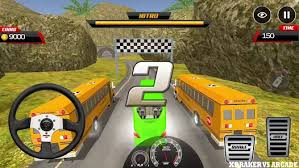
Racing games are among the most exciting genres for multiplayer gaming because they deliver instant action and competitive thrills. Whether players race realistic sports cars or crazy off-road vehicles, the excitement of crossing the finish line first creates intense adrenaline rushes. Racing games are easy to understand, making them accessible for both casual and experienced gamers.
Modern racing games include online leaderboards, customization systems, and multiplayer tournaments that increase replay value. Players enjoy upgrading vehicles, mastering tracks, and challenging friends to high-speed competitions. Split-screen racing remains especially popular because players can instantly react to each other’s victories and mistakes.
The fast-paced nature of racing games makes them perfect for quick gaming sessions. Even short matches can deliver excitement and memorable moments. It feels like stepping into a digital racetrack where every turn could decide victory or defeat.
Fighting Games
Fighting games are one of the oldest and most iconic multiplayer genres. These games focus on skill, timing, reflexes, and strategy. Players battle each other using unique characters with different abilities and fighting styles. Every match becomes a psychological battle where predicting your opponent’s next move is just as important as executing your own attacks.
Competitive fighting games built massive esports communities around the world. Professional tournaments attract huge audiences because intense one-on-one battles create dramatic and emotional moments. Skilled players spend years mastering combos, movement techniques, and defensive strategies.
Fighting games also work perfectly for local multiplayer sessions. Sitting beside your opponent adds tension and excitement because every victory and defeat happens face to face. This direct interaction creates unforgettable gaming memories.
Adventure and Survival Games
Adventure and survival games provide some of the best cooperative multiplayer experiences available today. Instead of competing directly, players work together to overcome challenges, gather resources, and survive dangerous environments. Teamwork becomes essential because every player contributes different skills and strategies.
Open-world survival games often place players in harsh environments where they must build shelters, craft tools, and defend themselves against threats. These games encourage creativity and communication while rewarding teamwork and planning. Cooperative gameplay feels satisfying because success depends on trust and coordination.
Adventure games also create emotional storytelling experiences when played with another person. Solving puzzles together or exploring mysterious environments strengthens player engagement and creates deeper immersion.
Benefits of Playing 2 Player Games
Improving Communication Skills
Two-player games naturally improve communication skills because successful gameplay often depends on teamwork and coordination. Players constantly exchange information, discuss strategies, and react to changing situations. These communication habits can strengthen problem-solving abilities and teamwork skills outside gaming as well.
Cooperative games especially encourage effective communication. Players learn how to give instructions clearly, listen carefully, and respond quickly under pressure. This skill development makes multiplayer gaming surprisingly educational in certain situations.
Gaming communication also helps players build confidence in social interactions. Online multiplayer communities allow gamers to connect with people from different backgrounds and cultures, improving their ability to interact socially.
Building Teamwork and Strategy
Multiplayer gaming teaches valuable lessons about teamwork and strategic thinking. Successful players learn how to cooperate, adapt, and make quick decisions during challenging situations. Team-based games reward coordination and planning more than individual skill alone.
Strategy becomes especially important in competitive games where players must predict opponents’ actions and adjust tactics constantly. This mental challenge keeps games engaging while sharpening critical thinking skills.
Many players enjoy multiplayer gaming because it creates a sense of shared achievement. Winning together feels more rewarding than succeeding alone because teamwork played a direct role in the outcome.
Stress Relief Through Gaming
Gaming provides an excellent form of stress relief for many people. After a long day, playing games with friends can help players relax, laugh, and escape daily pressures temporarily. Multiplayer games create fun and social experiences that improve mood and reduce boredom.
Fast-paced action games release excitement and adrenaline, while cooperative games encourage positive social interaction. Gaming becomes a digital playground where players can unwind and enjoy themselves freely.
Popular Platforms for Multiplayer Gaming
| Platform | Advantages | Best For |
|---|---|---|
| PC Gaming | High graphics and customization | Competitive gamers |
| Consoles | Easy setup and exclusive games | Casual and family gaming |
| Mobile Gaming | Portable and affordable | Quick gaming sessions |
PC Gaming
PC gaming offers powerful performance, advanced graphics, and extensive customization options. Many competitive players prefer PCs because they provide faster frame rates and precise controls. Online multiplayer communities are extremely active on PC platforms.
Console Gaming
Consoles remain popular because they are simple to use and offer smooth multiplayer experiences. Many consoles support split-screen gaming, making them ideal for local multiplayer entertainment.
Mobile Multiplayer Gaming
Mobile gaming dominates globally because smartphones are accessible to almost everyone. Mobile multiplayer games allow players to compete or cooperate anytime and anywhere.
The Future of 2 Player Gaming
Virtual Reality Multiplayer
Virtual reality could completely transform multiplayer gaming in the future. VR technology creates immersive experiences where players feel physically present inside digital worlds. Multiplayer VR games make interactions more realistic and emotional.
AI and Cloud Gaming
Artificial intelligence and cloud gaming are expected to shape the next generation of multiplayer experiences. AI could create smarter matchmaking systems and more dynamic gameplay, while cloud gaming will make high-quality games accessible without expensive hardware.
Conclusion
Two-player gaming continues growing because it combines entertainment, competition, teamwork, and social interaction into one exciting experience. Whether players enjoy racing games, fighting battles, or surviving dangerous adventures together, multiplayer gaming creates unforgettable moments that single-player experiences often cannot match.
Technology continues improving multiplayer gaming through online connectivity, artificial intelligence, cloud systems, and virtual reality innovations. The future looks incredibly exciting for gamers around the world. As gaming evolves, two-player experiences will remain at the center of digital entertainment culture.
FAQs
1. What are the best 2 player games to play online?
Popular online multiplayer games include racing games, battle royale shooters, sports games, and survival adventures.
2. Are split-screen games still popular?
Yes, split-screen games remain popular for local multiplayer fun during parties and family gatherings.
3. Can mobile games support multiplayer gaming?
Yes, many modern mobile games offer online multiplayer modes and competitive gameplay.
4. Why are multiplayer games more exciting?
Multiplayer games feel more exciting because human opponents create unpredictable and emotional gameplay experiences.
5. What is the future of multiplayer gaming?
The future includes VR gaming, AI-powered gameplay systems, and cloud gaming technology for easier accessibility.